
Women’s Leadership Panel
The New Leadership Equation; Influence, Trust & Impact
What actually makes leadership work today?
Thursday, November 5, 2026 · 9:00–11:30 AM
Scandinavia House · 58 Park Avenue, New York
The FACC-NY Women’s Leadership Program invites you to The New Leadership Equation, a morning conversation on what it takes to lead well in a moment of constant change.
The old leadership playbook is changing. A title gives you authority, but it doesn’t guarantee influence. Expertise gives you credibility, but it doesn’t automatically create trust. And having a strategy doesn’t mean people will follow.
Today’s most effective leaders know how to connect across differences, build trust through uncertainty, adapt without losing direction, and inspire people to act.
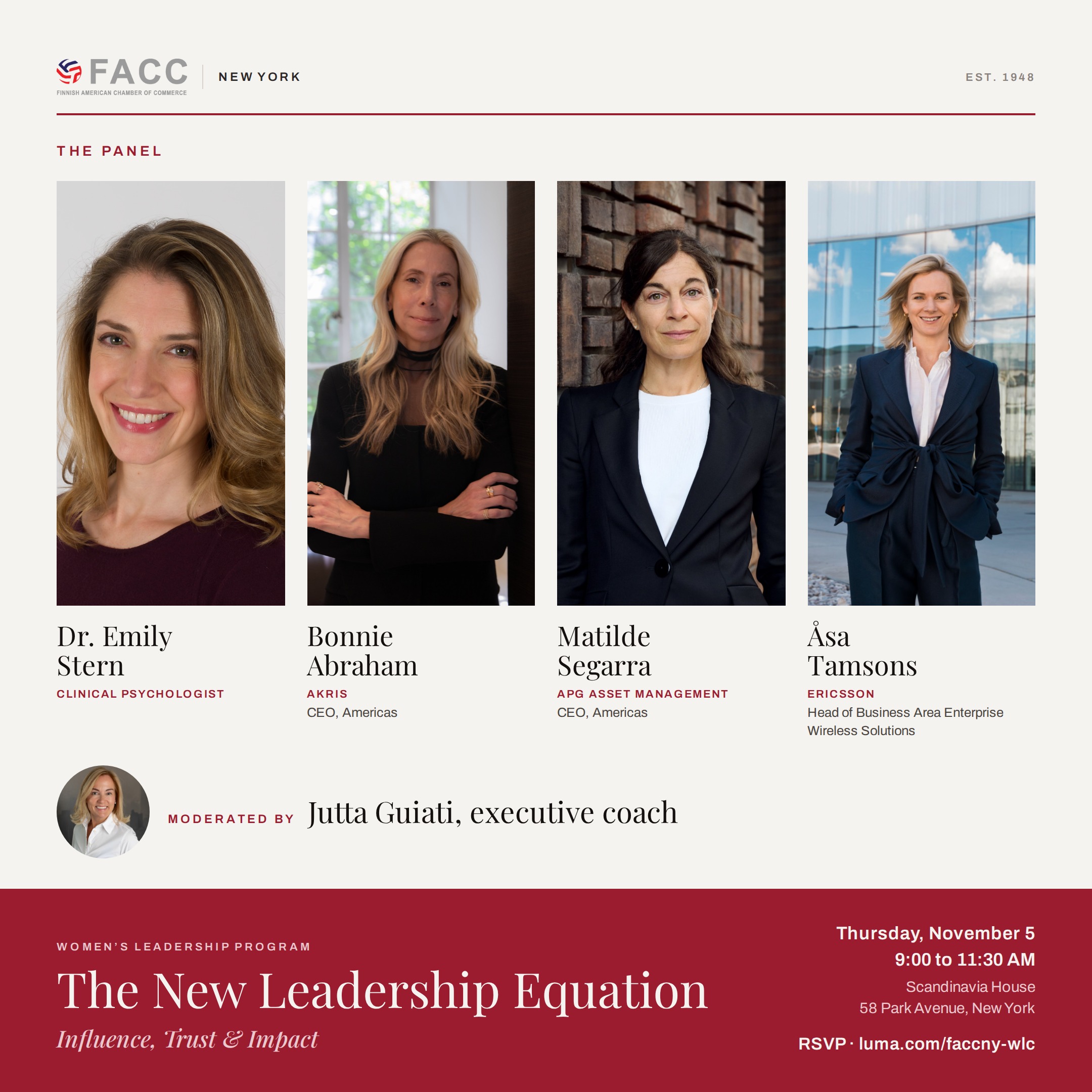
Join us at Scandinavia House for a panel with four exceptional female leaders from the worlds of investment, luxury, technology, and entrepreneurship for a candid conversation about what leadership really requires now:
– Matilde Segarra – CEO, Americas | APG Asset Management
– Bonnie Abraham – CEO, Americas | Akris
– Åsa Tamsons – Head of Business Area Enterprise Wireless Solutions | Ericsson
– Dr Emily Stern – Ph.d, Clinical Psychologist
CONNECT. ADAPT. INSPIRE ACTION.
TICKETS
Individual Membership · $250 per year
Join FACC-NY as a new individual member and your seat at this event is included.
Or attend as a guest: $180
Current FACC-NY members:
- Young Professionals · $50
- Individual and Corporate Members · $60
Panel, breakfast, and networking included in all tickets.
RSVP required. Reserve your seat via: https://luma.com/faccny-wlc
For any questions, reach us at contact@facc-ny.com.
The Women’s Leadership Program is a FACC-NY initiative creating space for women across the Finnish-American business community to connect, exchange, and lead together.
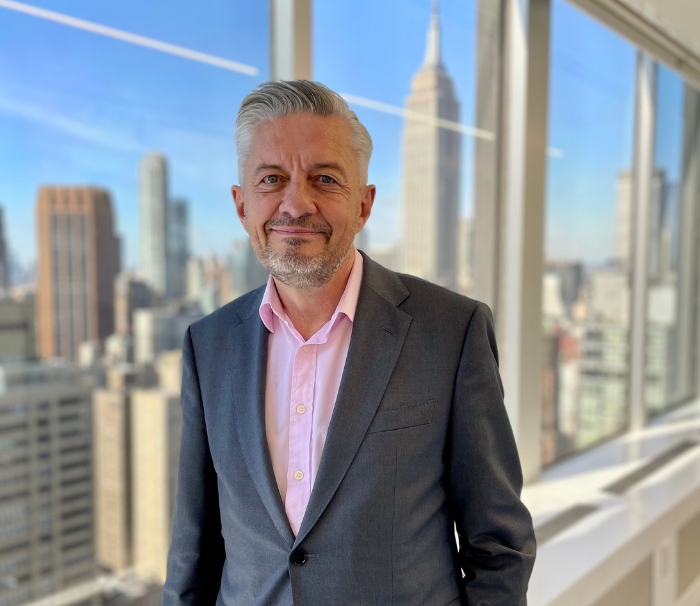
Member Spotlight: Ambassador Jarmo Sareva, Consul General in New York
What does it take for Finnish companies to succeed in the U.S. market? In an exclusive interview with FACC-NY, Ambassador Jarmo Sareva shares practical insights drawn from four decades of international diplomacy and trade.
His message is clear: Finnish companies already have the innovation, quality, and expertise to compete. They simply need to communicate their value with greater confidence.
Success in the U.S. requires compelling storytelling, relationship-building, speed, and a long-term commitment to the market. Ambassador Sareva also highlights significant opportunities in AI, quantum technology, clean energy, life sciences, and consumer brands.
Read the full Member Spotlight to discover his top recommendations for Finnish companies looking to grow in the United States: Member-Spotlight-2.pdf

A Good Morning to be Finnish in New York
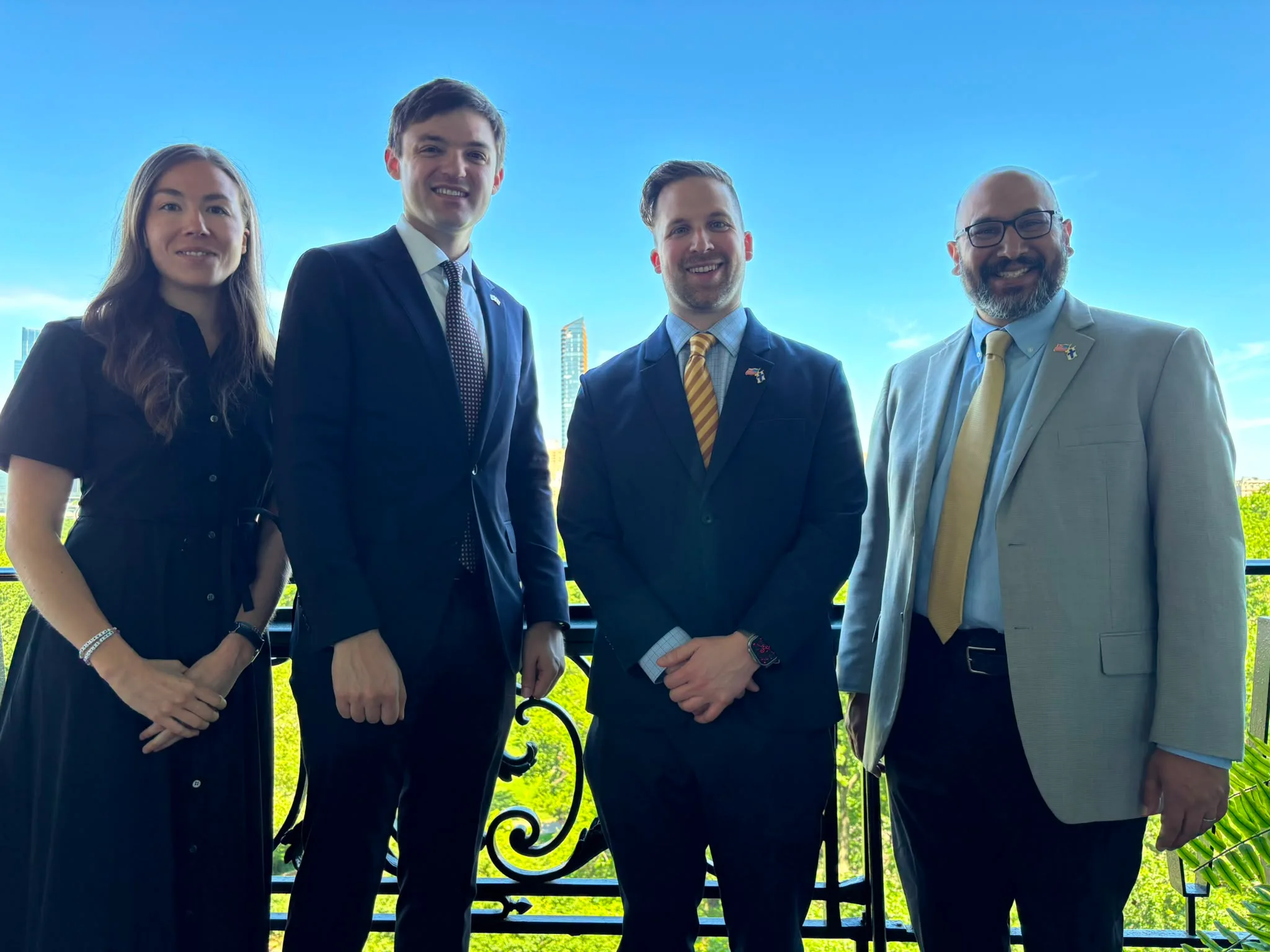
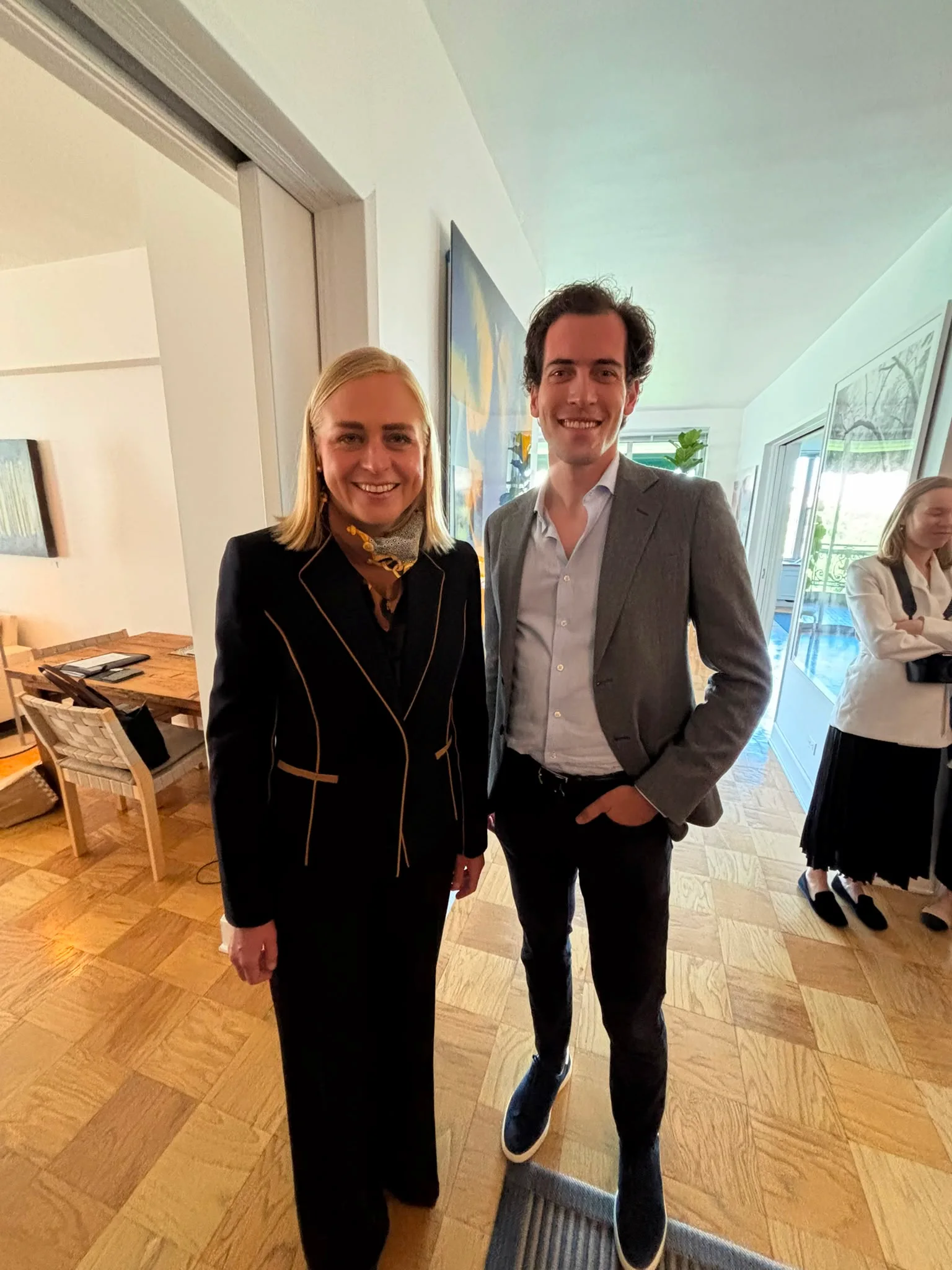
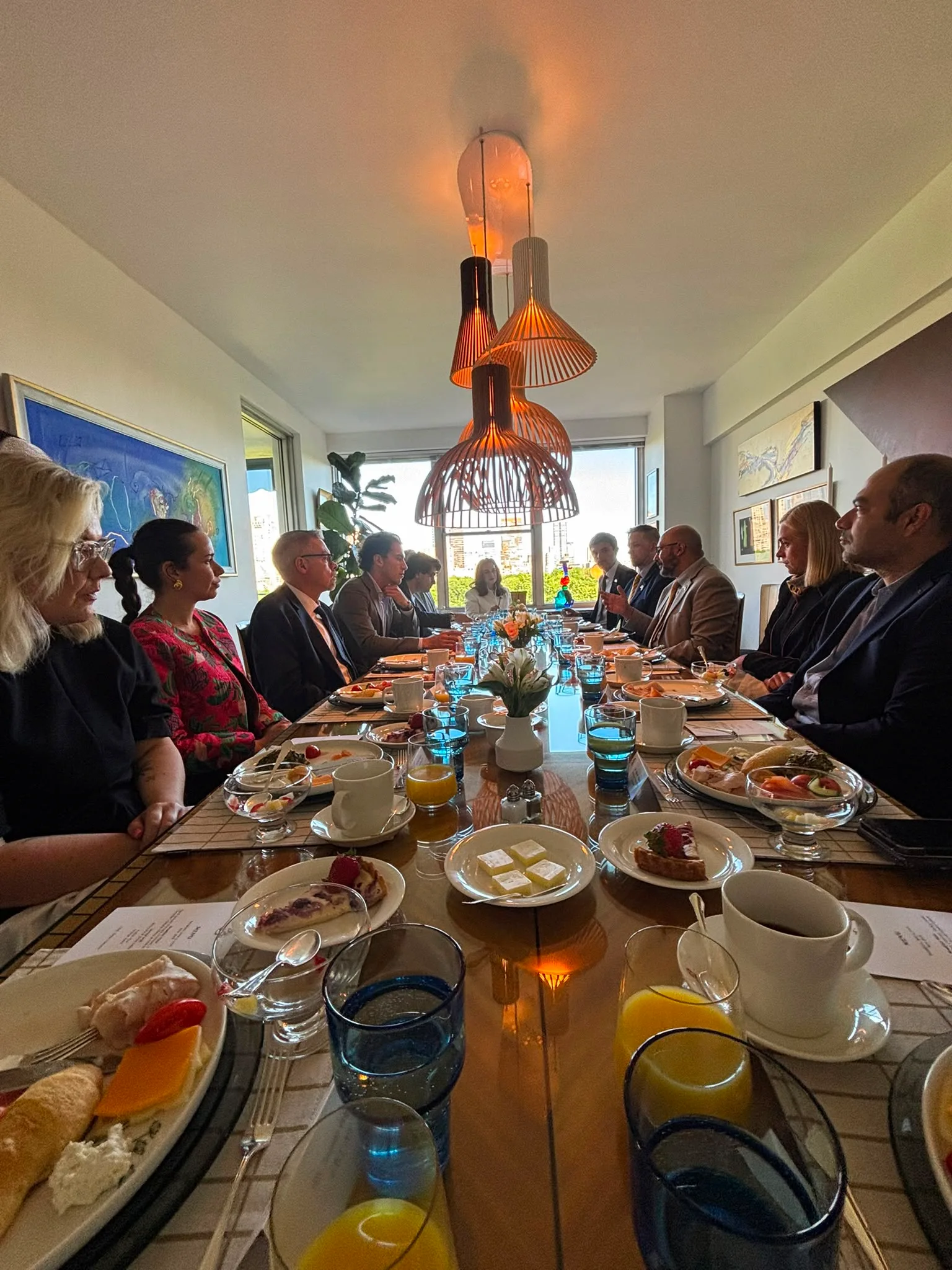
President Joanna Willott and Board Member Janna Salokangas (Mia AI) represented FACC-NY at the U.S.–Finland Quantum Technology Diplomacy Roundtable — hosted by Foreign Minister Elina Valtonen and the Finnish Consulate in New York.
Minister Valtonen opened the morning by framing Finland’s emergence as a global quantum leader: world-class research, sovereign technology development, and a thriving ecosystem of quantum companies. With the recent signing of Pax Silica, Finland is quietly building one of the world’s most coherent quantum frameworks — and helping shape the architecture of the quantum era through international partnerships and strategic cooperation.
The conversation focused on where the industry actually stands today. Demand for quantum is real. Commercialization is still early.
Three questions kept surfacing:
→ How do we reduce the risk profile enough for capital markets to stop treating quantum as a speculative bet — when it’s already being applied across finance, logistics, and energy?
→ What does the legal and regulatory framework for quantum look like, and how does it extend into legacy sectors like oil and gas that are watching closely, waiting for software readiness?
→ How do we build the ecosystem — hardware, semiconductors, talent, and funding — in parallel, when each piece depends on the others and none of it comes cheaply?
Geopolitically, China is moving quickly. The window for the United States and Europe to build quantum infrastructure together will not stay open forever.
Quantum breakthroughs happen where academic excellence meets startup speed. Finland’s combination of deep research, entrepreneurial agility, and strong government support for early-stage innovation makes it a compelling model — one worth paying attention to.
The takeaway: build quantum as a community, not a competition. And make sure the ecosystem is ready before the technology outpaces it.
A heartfelt thank you to Minister Elina Valtonen, the Finnish Consulate in New York, Juhani Sirén, panelists Javad Shabani, Norma A. Padrón, Sammy Moseley, Zia Mohammad, Ron Bewtra, Nate Moulton, and Joshua Blume, and moderator Fikriye Selen-Okatan for an important, thoughtful, and timely discussion.
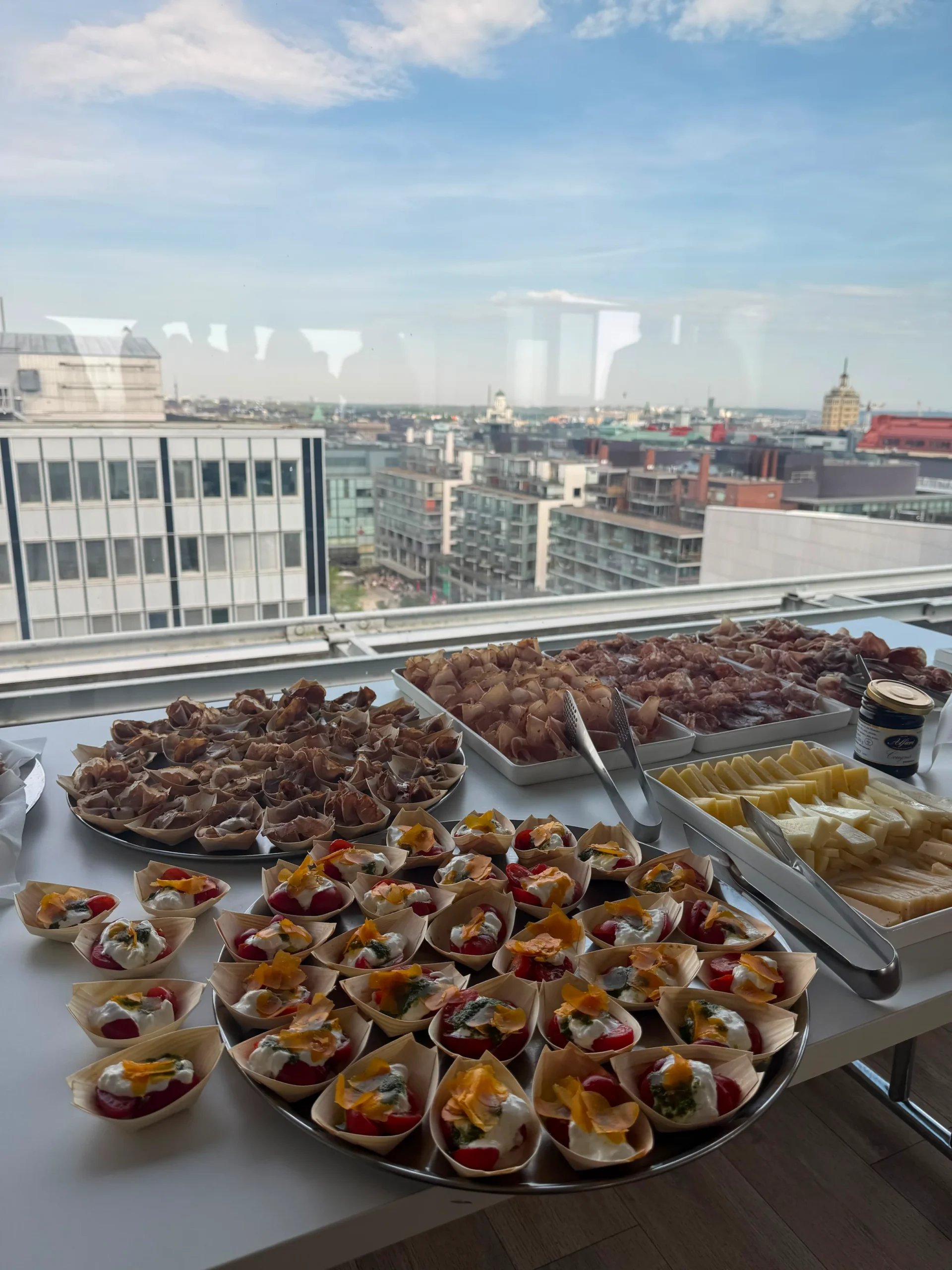
Kukkula Summer Wine Tasting
A summer evening on a Helsinki rooftop with New York in its bones.
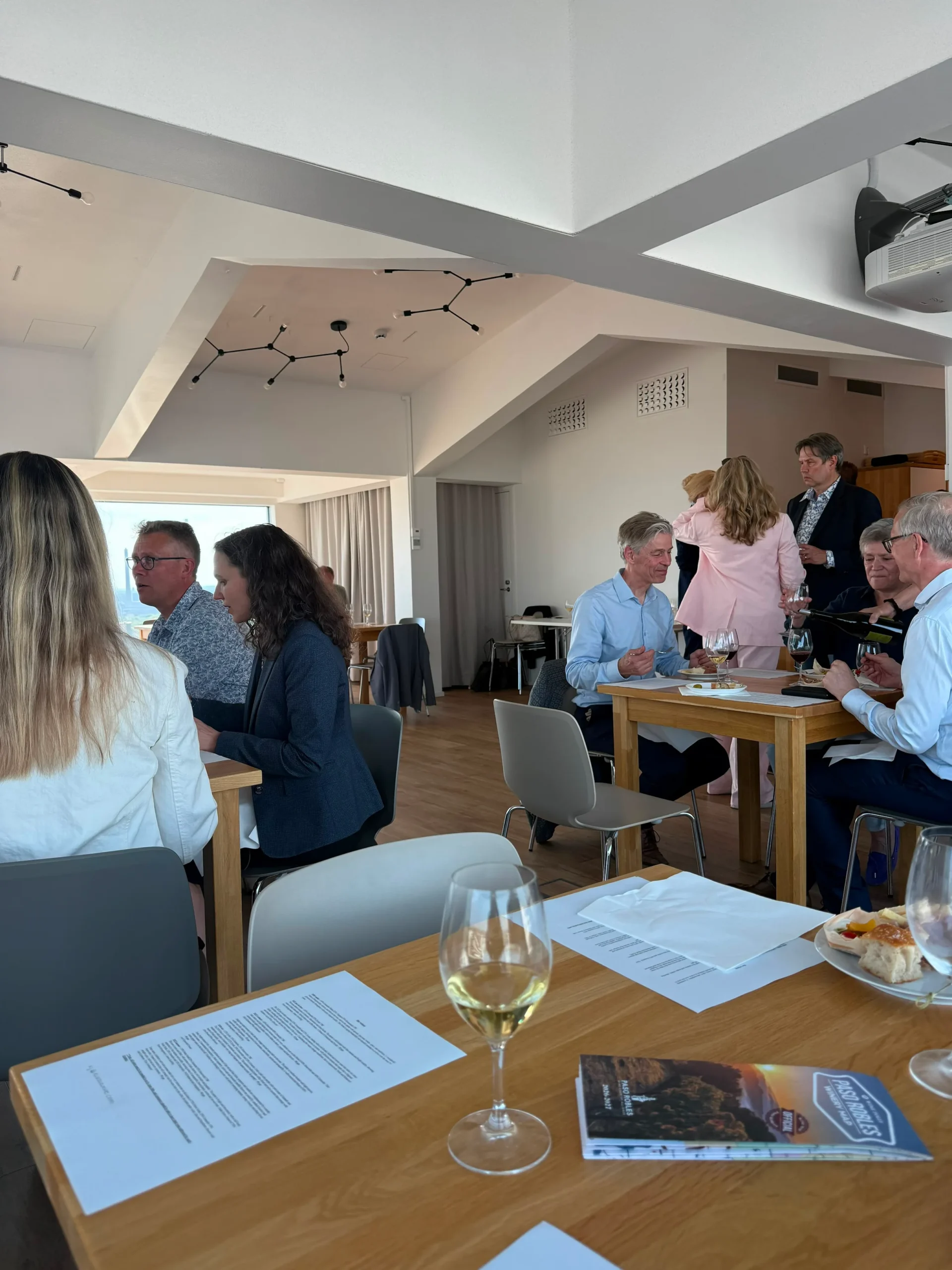
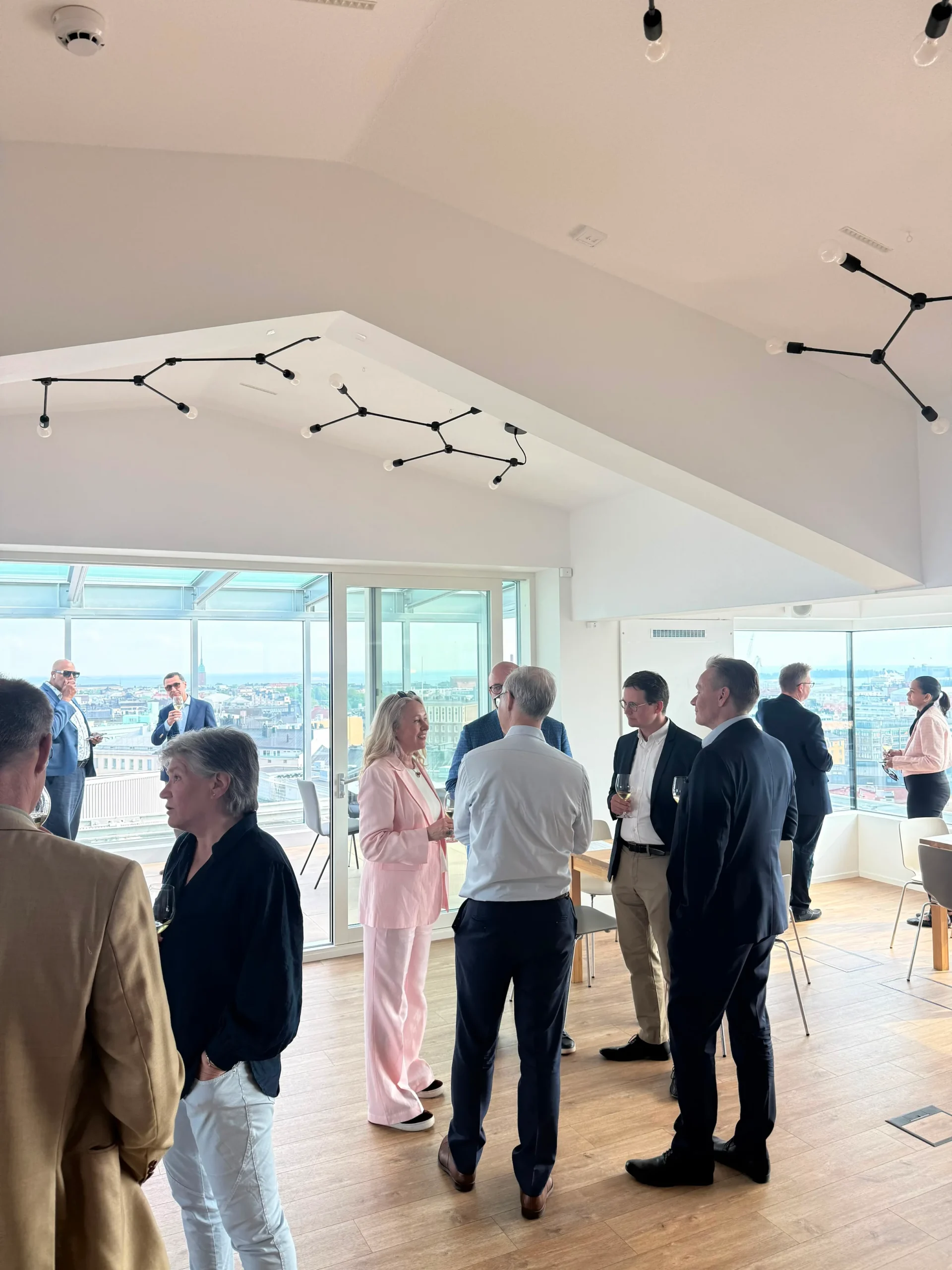
FACC-NY co-hosted a private wine evening with our member Kukkula Winery — an organically dry-farmed estate in the Adelaida District of Paso Robles, California — in the Skylounge of the iconic Autotalo Building in Helsinki, Finland, made possible through the generous support of the Aminoff family.
Kevin Jussila, Kukkula’s owner and winemaker, guided guests through a selection of the estate’s wines, with limited allocations available to take home. The room filled with founders, operators, and longtime friends of the chamber, swapping notes over Nordic sunset views and West Coast pours — the kind of company that makes a night memorable.
Kiitos to Kevin and the Kukkula team, to the Aminoff family for the rooftop, and to everyone who joined us.